

12 Quiet Rituals for the Night's You Can't Switch Off
Some nights, sleep arrives easily and others it does not, and no amount of pressure makes it come faster. If anything, the pressure makes it more difficult.
The work on those harder night’s isn’t to force the body into rest, it’s to give the nervous system something to lean against. Small, repeated signals that the day is finished, even if your thought’s haven’t caught up yet.
That’s all a ritual really is. A consistent set of small actions that the body begins, over time, to recognise. Make tea, dim the light’s, press play. The nervous system doesn’t understand language the way the conscious mind does, but it understands rhythm. It understands what comes next.
Below are twelve quiet rituals you can borrow from. None of them are arranged in a particular order. Take only the ones that feel doable on the night you are having.
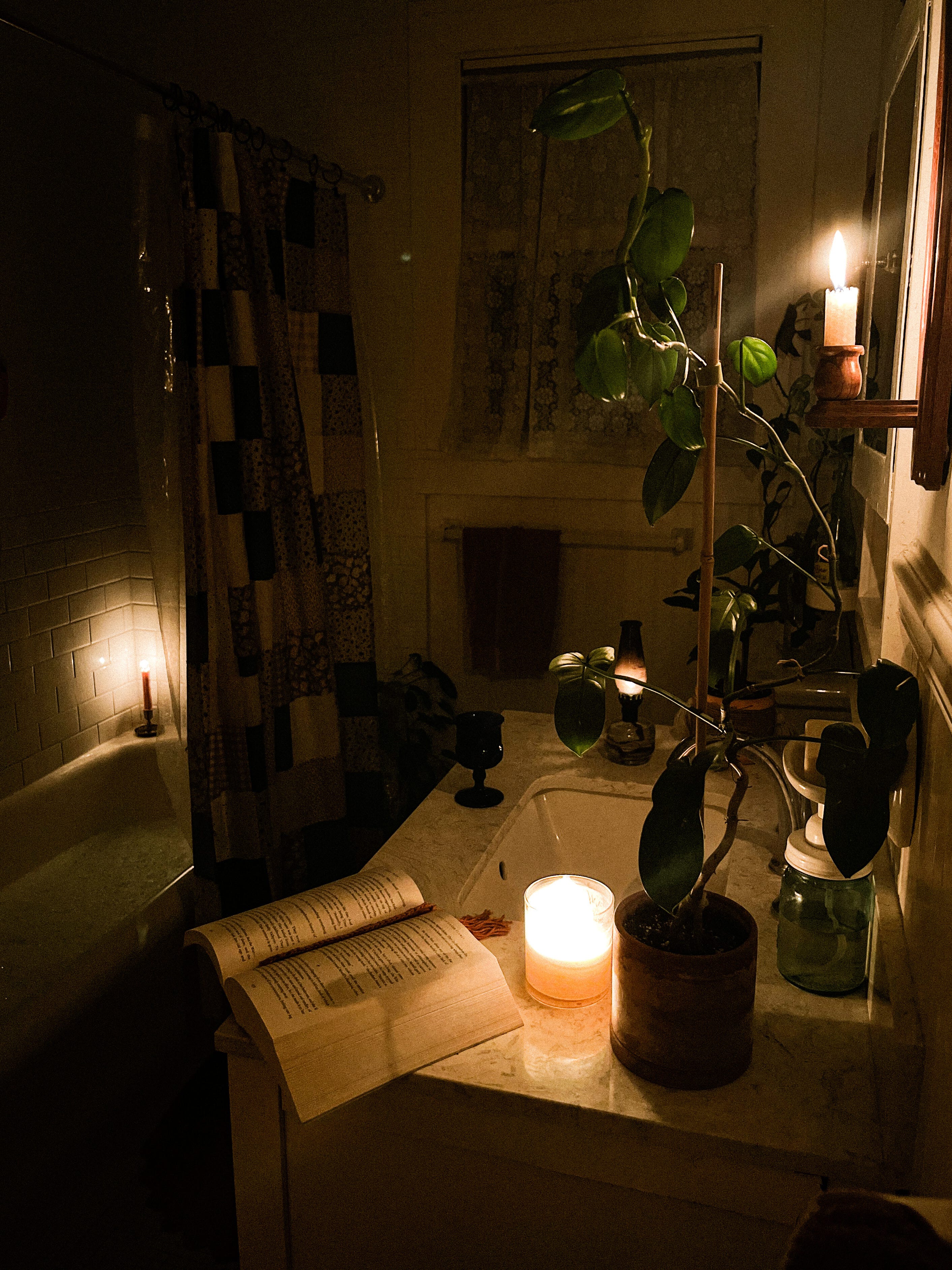
1) Dim the light’s an hour before bed.
Overhead lighting (the big light) is one of the loudest signals a room can send. Long after sunset, it still tells the brain that the day is in progress. An hour before you intend to sleep, turn off the ceiling lights and switch to one or two warm-toned lamps. The room becomes softer, as does everything else.
2) Change into something soft
The clothes you wore today have carried you through a great deal. Even a quick change into something looser and gentler tells the body that the working hours are over. Cotton, brushed fabric, a wide neckline. Nothing tight or structural, something the body doesn’t have to hold itself inside.
3) Make tea with ceremony
This isn’t really about the tea, it’s about the slowness of making it. Boiling the kettle, choosing the cup, watching the colour change in the water. A few minutes of doing one thing only. If you drink in the evening, a herbal blend or just hot water with lemon works the same way. The ritual and the herbal benefits work hand in hand.
4) Name three things the day asked of you, and set them down
Quietly, in your head or aloud. Not the things you didn’t manage; the things the day required of you and that you carried. The difficult conversation, the decision you had to make or the expectation you held up. Naming them is a small act of recognition. Setting them down is the harder part, but the naming makes it possible.
5) Put the phone down or at least stop the scrolling (A whole night letter, coming soon)
Not on silent, not face-down. Out of sight. The phone in the room is a small request the nervous system never stops registering. Even unread. It asks for vigilance. Moving it to another room, to give yourself a break or a drawer, or on the kitchen counter releases something. Most nights, you’ll find you don’t miss it.
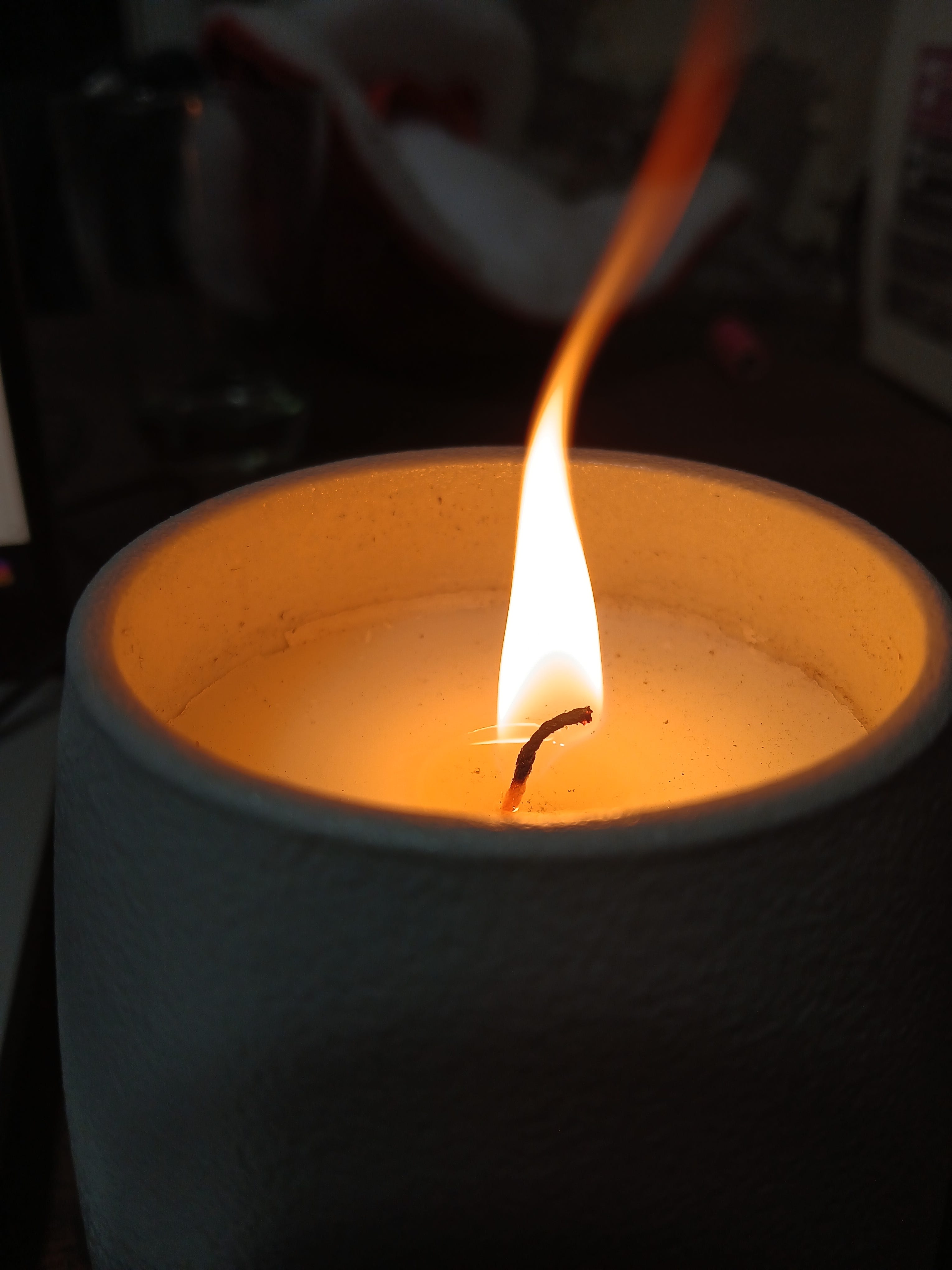
6) Light a candle, and let it be the same one each night
The body learns by repetition. If the same candle is lit at the same time most evenings, your nervous system begins to recognise the scent and the light as the beginning of rest. It becomes a small architectural feature of the days end. After a few weeks, lighting it alone can soften the chest before any other ritual happens.
7) Wash your face with cool water
Not cold. A few minutes at the sink, water on the face, the back of the neck, the wrists. The slight temperature change settles the system in a way that’s hard to explain but easy to feel. Pat dry. Don’t rush. This is one of the smallest rituals on the list and one of the most reliable.
8) Take off anything tight
Watch, rings, hair tie. The clasp at the back of your bra. Glasses, if you wear them. The body has been held inside structure all day, removing what is tight, even briefly, is a permission. The skin breathes differently. The wrists open.
9) Sit on the edge of the bed before getting in
A small pause, not a ritual most people do consciously. Sit for a minute, two if you can. Hands resting on your knees. The room is quiet. You haven’t lain down yet, but you’ve arrived. This pause is the threshold. It tells the body that what comes next is rest.
10) Place a hand on your chest and acknowledge what’s there
Whatever it is. Tightness, sadness, nothing in particular. Just a soft acknowledgement that you’re noticing. You don’t need to fix it or understand it. You’re simply registering that you are here, in your body, on this particular evening. The hand is enough. The acknowledgement is the work.
11) Read something gentle aloud, even briefly.
A few lines from a book you love, or a poem you know already. A page from a novel you’ve read so many times the words don’t surprise you. Reading aloud softens the throat and slows the breath without you having to think about either. The brain hears your own voice doing something kind for it.
12) Press play on something quiet
When the rituals above are done, or whichever of them suited the night, lie down. Press play on something quiet. An audio that doesn’t ask anything of you. A sound that holds you without instruction, a voice that takes over so you don’t have to keep being in charge.
If you don’t have something to press play on, The Night Watch is a free non-guided audio I made for night’s like these. It asks nothing of you. You can listen tonight.
Rest isn’t earned through effort. It’s invited through familiarity. A few of these rituals, repeated over a few weeks, will do more than a complicated routine done once in a while.
Pick one or two. Let them become small, reliable parts of your evening. The nervous system will catch up.
Rest well.